Back to Blogs

Do You Need a Dental Crown? Five Signs

Dental crowns are essential restorations for damaged or decayed teeth, restoring function, strength, and appearance for lasting oral health.

September 10, 2026
2 min read
Linda, wearing a beige cardigan, leans on a wooden kitchen counter and bites into a red apple, with a cup and a bowl of fruit nearby.
Back to Blogs

Do You Need a Dental Crown? Five Signs

Linda, wearing a beige cardigan, leans on a wooden kitchen counter and bites into a red apple, with a cup and a bowl of fruit nearby.

Dental crowns are essential restorations for damaged or decayed teeth, restoring function, strength, and appearance for lasting oral health.

September 10, 2026
2 min read

Recognizing the Need for a Crown

Dental crowns serve as vital restorations, often becoming necessary when a tooth suffers significant damage or decay that a simple filling cannot adequately address. These caps completely cover the visible portion of a tooth, restoring its shape, size, strength, and appearance. Many patients in Rockwall visit LS Smiles seeking clarity on persistent dental discomfort or concerns about their smile.

This often involves a conversation with Dr. Leeza Stein about the best course of action. She emphasizes that early detection of issues can preserve tooth structure and prevent more complex problems down the line. Understanding the signs your tooth might be sending is crucial for proactive dental care.

Daniel, a man in his mid-40s, recently scheduled an appointment after noticing a persistent ache in one of his back molars. He also admitted to Dr. Stein that he'd been avoiding hard foods on that side of his mouth. He worried his tooth might be beyond repair, and he was hoping for a solution that felt both durable and natural.
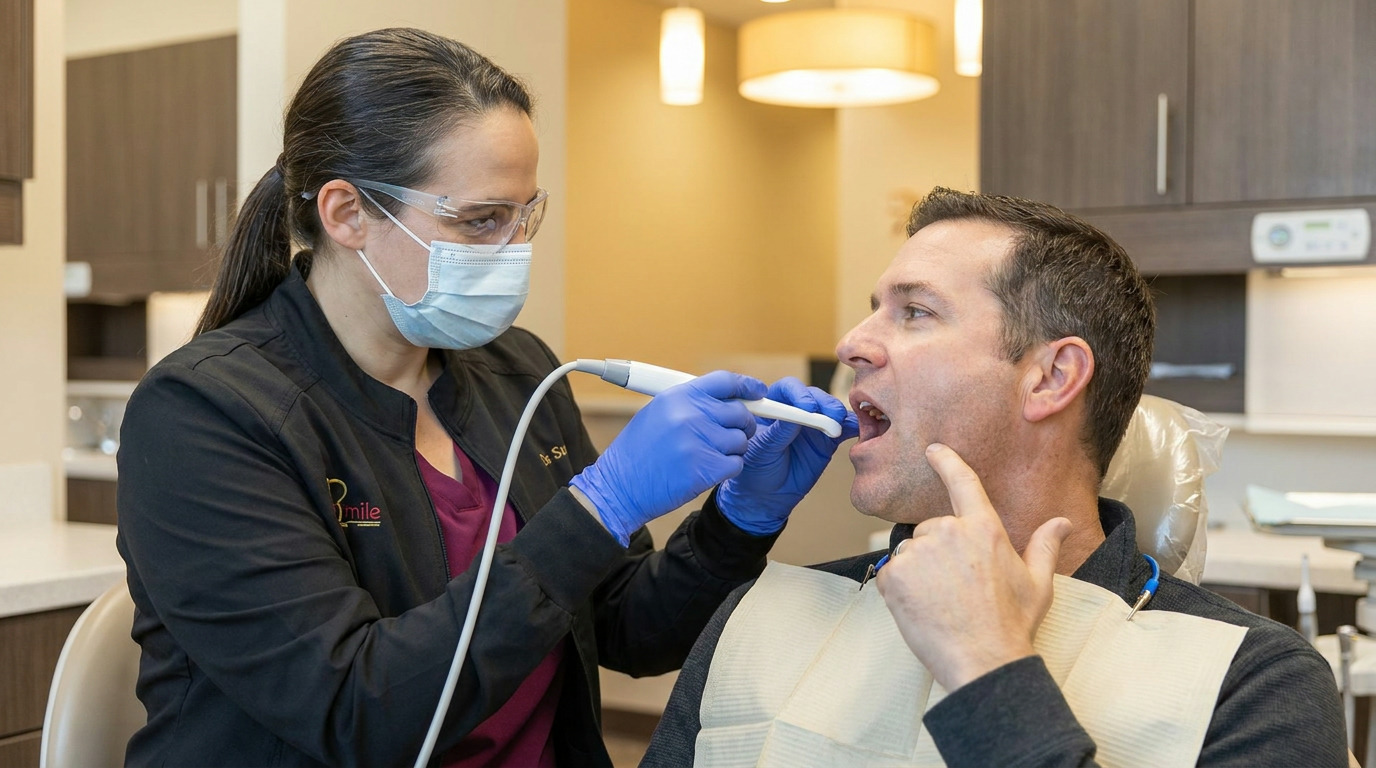
Dr. Leeza Stein, wearing a mask, safety glasses, and blue gloves, uses an intraoral camera inside Daniel's mouth as he points to his back molar in a bright dental operatory.

What Happens to a Damaged Tooth?

When a tooth experiences significant damage, its structural integrity can be compromised, leading to discomfort and potential further issues. This damage often goes beyond what a standard tooth-colored filling can repair, which is precisely when Dr. Stein evaluates if a crown is the right solution. For Daniel, his intermittent pain was a clear indicator that something more serious was occurring beneath the surface. He explained that chewing had become increasingly sensitive, and he often felt a dull ache.

Dr. Stein performs a thorough examination, often including X-rays, to assess the extent of the damage. She understands that patients like Daniel need to know why a crown is being recommended and how it will help. Her approach focuses on preserving the natural tooth structure whenever possible, while also ensuring long-term oral health.

  • Large cavity: A cavity that consumes a significant portion of the tooth structure.
  • Cracked tooth: Fractures or chips that compromise the tooth's strength.
  • Worn enamel: Extensive erosion from grinding or acids, thinning the outer layer.
  • Post-root canal protection: A tooth can become brittle after root canal therapy.
  • Cosmetic concerns: Discolored or misshapen teeth impacting smile aesthetics.
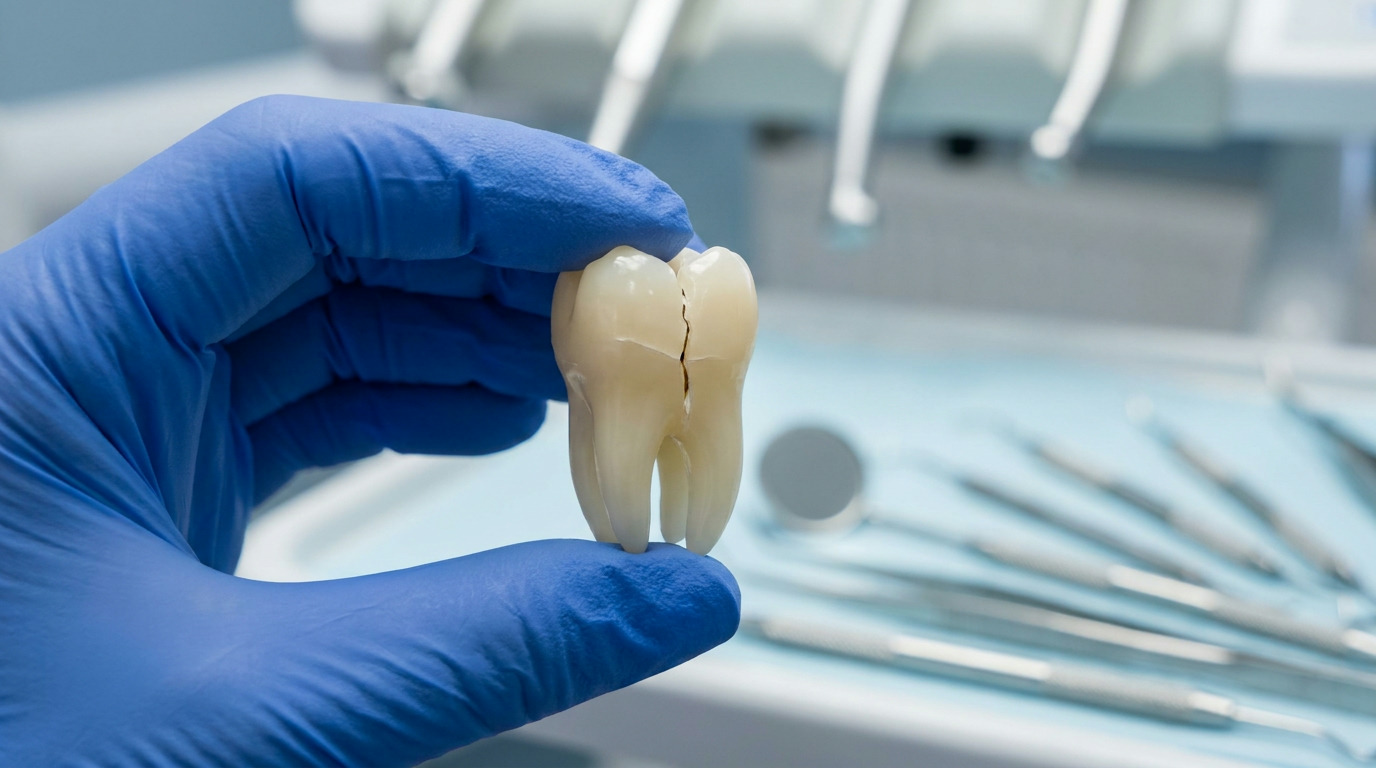
A blue-gloved hand holds a cracked molar tooth model, with blurred dental instruments and equipment in the background.

Why Do Teeth Need Crowns?

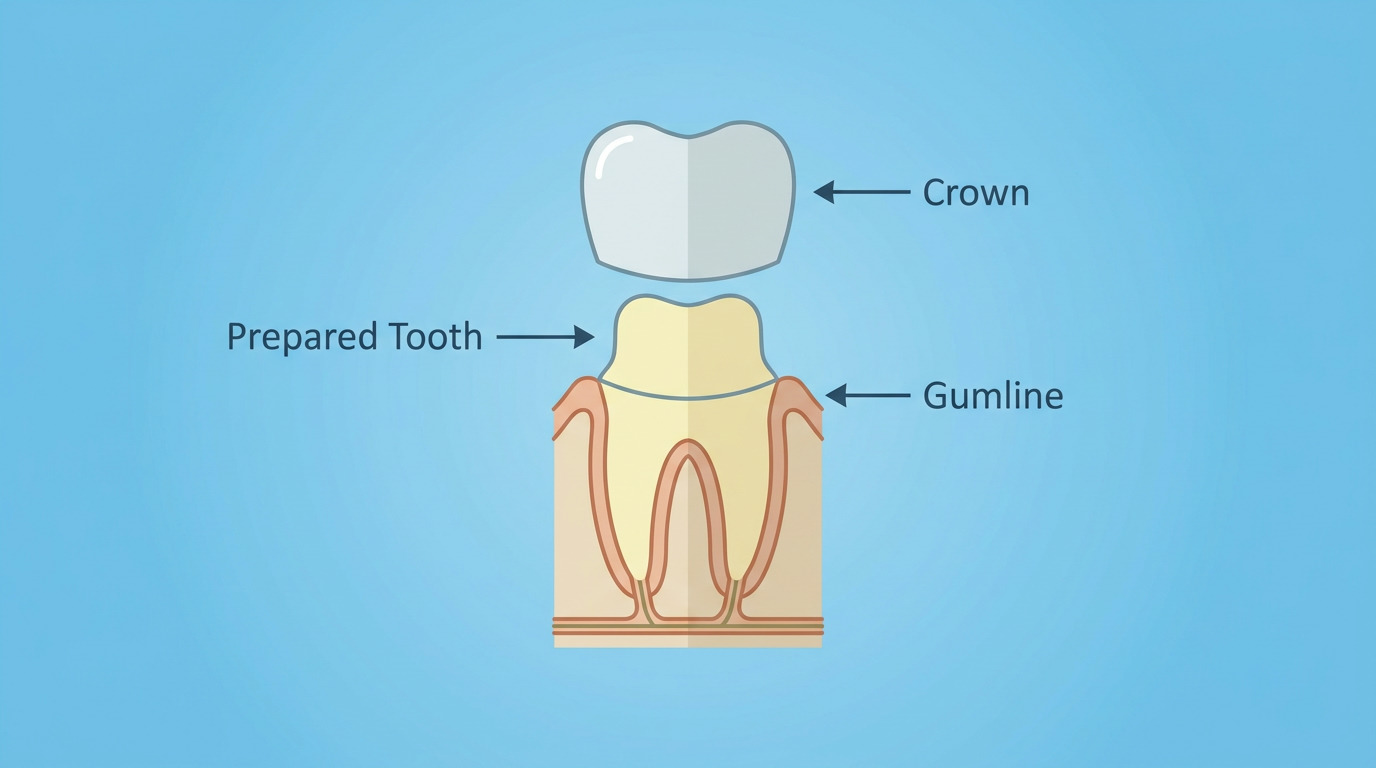
Teeth require crowns primarily to restore their function and protect them from further deterioration. A crown acts like a helmet for a weakened tooth, encapsulating it completely above the gum line. This comprehensive coverage restores the tooth's original strength, shape, and size, allowing it to withstand the daily forces of chewing effectively. Daniel’s molar, with its deep crack, needed this kind of robust protection to prevent it from splitting further.

Dr. Stein carefully considers the underlying cause of the damage to recommend the most appropriate type of dental crown. For instance, a tooth that has undergone root canal treatment often benefits immensely from a crown. This protection is essential because devitalized teeth can become more brittle and prone to fracture without the nourishment supplied by a healthy pulp.

Common Reasons for Crowns

  • Protecting a weak tooth: Preventing a cracked tooth from breaking apart entirely.
  • Restoring a broken tooth: Repairing a tooth that is severely worn down or fractured.
  • Covering large fillings: Supporting teeth where a large filling has replaced most of the original tooth.
  • Anchoring a dental bridge: Providing secure support for replacement teeth.
  • Improving appearance: Changing the shape or color of severely discolored or misshapen teeth.
A cross-section diagram shows a prepared tooth with its root and gumline, with a dental crown positioned above it, and labels pointing to the crown, prepared tooth, and gumline.

Recognizing Signs of Trouble

Recognizing the early signs that a crown might be necessary can prevent more extensive and costly dental work. One of the most common indicators is persistent tooth pain, especially when chewing or biting down. Daniel described this exact sensation, noting that the pain was sharp at first, then dulled into a constant throb. He had initially hoped it would simply go away on its own.

Another significant sign is increased sensitivity to hot or cold temperatures, which can point to exposed dentin or cracks. Dr. Stein explains that even a seemingly minor chip or fracture can expose the inner layers of the tooth, making it vulnerable. Visible cracks or breaks in the tooth itself are also clear signals that professional evaluation is needed.

A noticeable change in the tooth's appearance, such as severe discoloration that doesn't respond to whitening or significant wear, also warrants investigation. Sometimes, a crown is the ideal solution for both structural integrity and cosmetic enhancement. Ignoring these signs can lead to worsening damage and potentially tooth loss, underscoring the importance of timely intervention.

A man in a gray t-shirt and jeans winces while biting into toast and holding his jaw in a modern kitchen with a newspaper and coffee cup on the counter.

Schedule Your Crown Consultation

If you are experiencing tooth pain, sensitivity, or notice any signs of damage, do not wait. Contact LS Smiles today to schedule a consultation with Dr. Leeza Stein. Her expertise in dental crowns ensures you receive the best possible care and a lasting solution for your smile.

Crown Materials Explained

The materials chosen for dental crowns are crucial for both their durability and aesthetic appeal. Modern dentistry offers a range of options, each with distinct advantages tailored to a patient's specific needs and the tooth's location in the mouth. Dr. Stein discusses these choices thoroughly with her patients, including Daniel, ensuring they understand the benefits of each material. She often considers factors like biting force, visibility, and allergy sensitivities.

Porcelain crowns are a popular choice due to their ability to mimic the natural translucency and color of existing teeth. They are particularly favored for front teeth where aesthetics are paramount. For Daniel's molar, however, Dr. Stein suggested a different, stronger option.

Popular Crown Materials

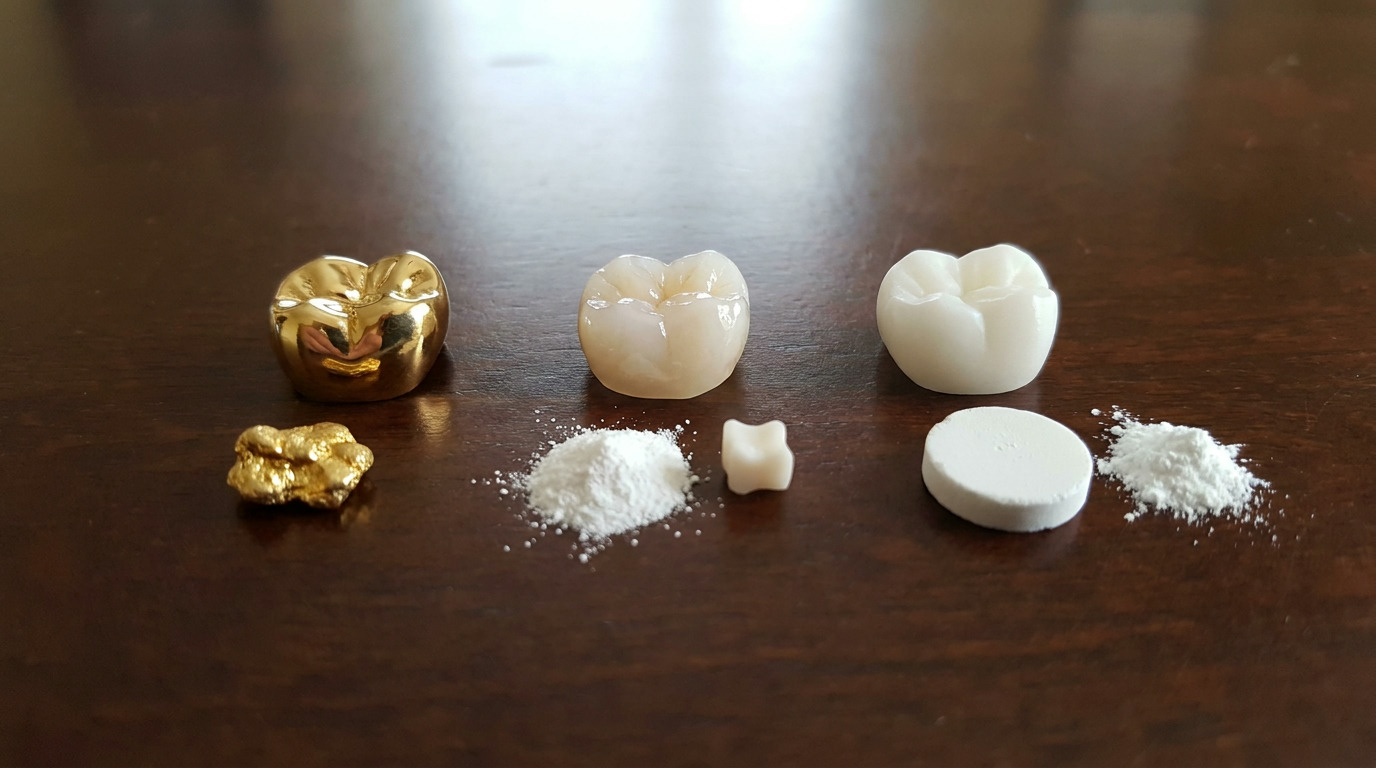
  • All-Ceramic (Porcelain or Zirconia): Offers excellent aesthetics, blending seamlessly with natural teeth.
  • Porcelain Fused to Metal (PFM): Combines the strength of metal with the natural look of porcelain.
  • Metal Alloys (Gold, Palladium, Nickel, Chromium): Extremely strong and durable, ideal for back molars.
  • Resin: A more affordable option, though generally less durable than other materials.

For back teeth, like Daniel's molars, zirconia crowns are often recommended for their exceptional strength and resistance to chewing forces. Zirconia is a ceramic material that can withstand significant pressure without chipping or breaking. Dr. Stein assured Daniel that this material would provide the longevity he sought.

A gold crown, a porcelain crown, and a white zirconia crown are displayed on a dark wooden surface, each with samples of their raw materials, including a gold nugget, white powder, a small white block, and a white disk.

The Dental Crown Process

The process for receiving a dental crown typically involves a few visits to LS Smiles. During the initial appointment, Dr. Leeza Stein prepares the tooth by removing any decay and shaping it to ensure the crown fits securely. This precise preparation is crucial for the crown’s longevity and comfort. She takes great care to ensure Daniel feels comfortable throughout this stage.

After preparation, impressions of the tooth are taken, which are then sent to a dental lab. Here, skilled technicians meticulously craft the custom crown to Dr. Stein's exact specifications, matching the color and contours of surrounding teeth. While the permanent crown is being made, a temporary crown is placed to protect the prepared tooth. Daniel found the temporary crown surprisingly comfortable, allowing him to continue with his daily routine without significant disruption.

Once the permanent crown arrives, Daniel returns for his final appointment. Dr. Stein carefully checks the fit and bite, making any necessary adjustments before permanently bonding the new crown into place. The goal is a crown that feels natural and functions perfectly. Patients often report immediate relief from discomfort once the new crown is seated.

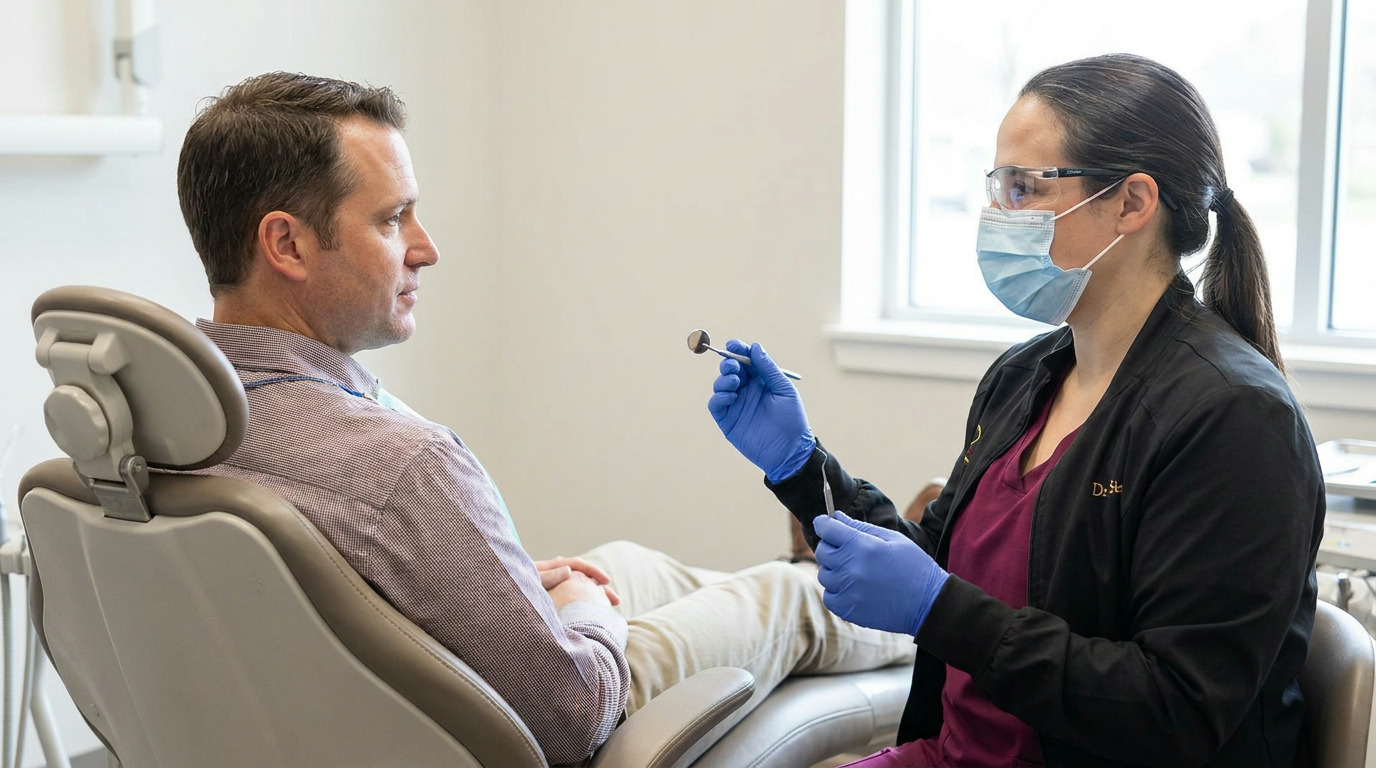
A man in a dental chair looks at a dentist wearing a mask, safety glasses, and blue gloves, holding a dental mirror and another instrument.

Crown Care and Longevity

Caring for a dental crown is very similar to caring for natural teeth and is essential for its longevity. With proper care, a well-placed dental crown can last for many years, often 10 to 15 years or even longer. Dr. Stein emphasizes that diligent oral hygiene practices are the cornerstone of maintaining a crown’s health and the health of the surrounding gums. She provided Daniel with specific instructions to ensure his new restoration lasts.

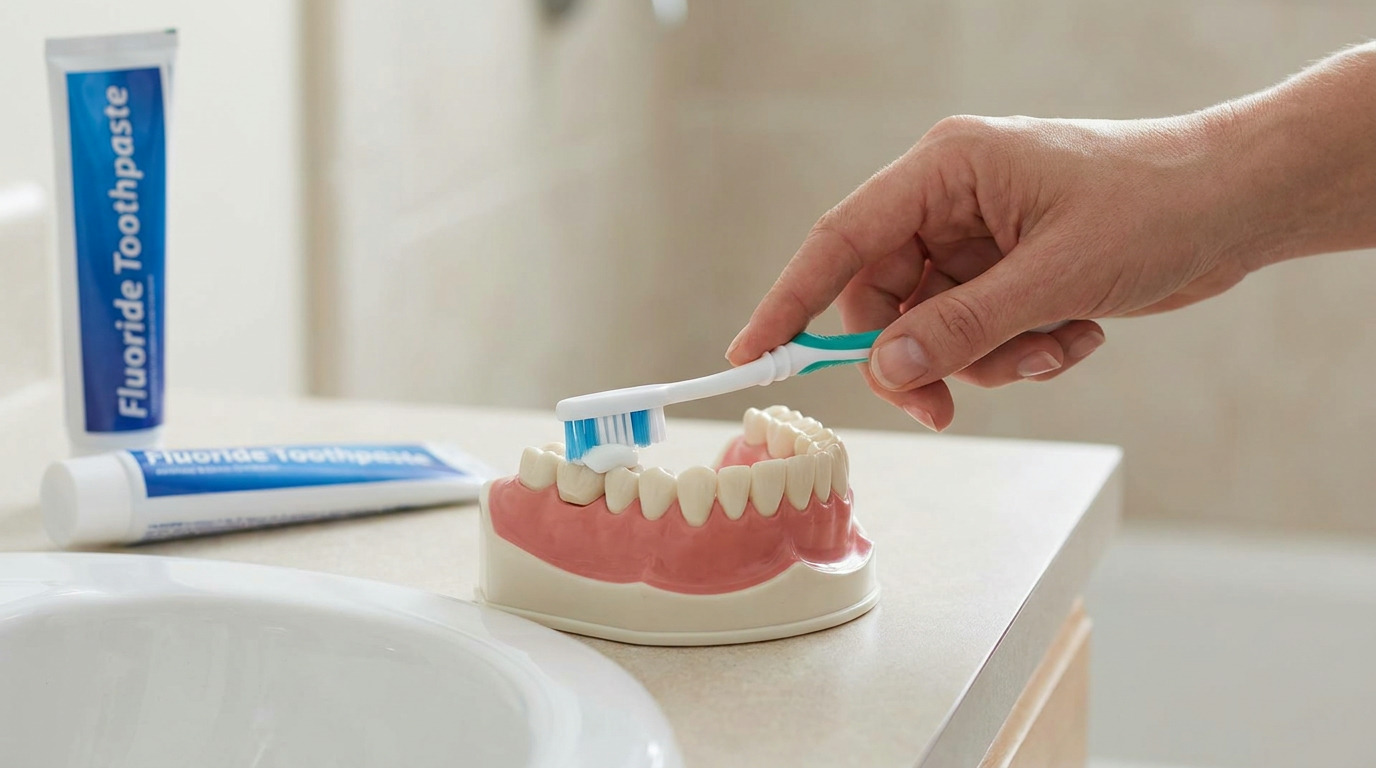
Regular brushing twice a day with fluoride toothpaste and daily flossing are critical to prevent plaque buildup around the crown's margins. This helps ward off gum disease and secondary decay that could compromise the crown's fit over time. Daniel committed to maintaining his new crown carefully. Avoiding habits like biting on hard objects or using teeth as tools also protects crowns from damage.

Tips for Crown Longevity

  • Maintain excellent oral hygiene: Brush and floss daily to keep the crown and gums healthy.
  • Regular dental check-ups: Visit Dr. Leeza Stein at LS Smiles for routine exams and cleanings.
  • Avoid hard foods: Chewing on ice, hard candies, or non-food items can crack a crown.
  • Address teeth grinding: If bruxism is an issue, consider a custom-fitted nightguard for bruxism.
  • Report discomfort immediately: Any persistent pain or sensitivity around the crown warrants prompt attention.
A hand holds a toothbrush with toothpaste over a dental model, next to a sink and two tubes of fluoride toothpaste on a bathroom counter.

A Durable Solution for Your Smile

Understanding when a dental crown might be needed empowers patients to take proactive steps toward maintaining their oral health. From persistent pain to visible cracks, the signs a tooth sends are important signals that should not be ignored. Dr. Leeza Stein and her team at LS Smiles are dedicated to providing the residents of Rockwall with durable, aesthetically pleasing restorative solutions.

For Daniel, receiving his new zirconia crown was a significant relief. He no longer experiences the discomfort that had plagued him for weeks, and he can now chew comfortably on both sides of his mouth.

He remarked how natural the crown felt and how pleased he was with its seamless appearance. His experience underscores the value of early intervention and expert care in preserving one's smile.

A dental crown is not just a restoration; it is an investment in long-term oral health and comfort, allowing patients like Daniel to enjoy their food and smile with confidence once more.

Daniel smiles confidently at the viewer, wearing a green polo shirt in a bright, modern living room with large windows, a fireplace, and light-colored furniture.
Categories:
No items found.

Frequently Asked Questions

1. What does a dental crown do?
A dental crown is a custom-made cap that completely covers a damaged or decayed tooth, restoring its original shape, size, strength, and improving its appearance. It protects the weakened tooth from further breakage.

2. How long do dental crowns last?
With proper oral hygiene and regular dental check-ups, dental crowns can last for a significant period, typically between 10 to 15 years or even longer. Durability also depends on the material chosen and individual habits.

3. Is getting a dental crown painful?
Dr. Leeza Stein ensures patient comfort during the dental crown procedure by using local anesthetic. Patients might experience some mild sensitivity or discomfort after the procedure, which is usually manageable with over-the-counter pain relievers.

4. Can a crowned tooth still get a cavity?
Yes, a crowned tooth can still get a cavity at the margin where the crown meets the tooth structure. This highlights the importance of diligent brushing, flossing, and regular dental visits to prevent decay around the crown.

5. What are crowns made of?
Dental crowns are crafted from various materials, including all-ceramic (porcelain or zirconia), porcelain fused to metal, or metal alloys like gold. Dr. Leeza Stein recommends the best material based on the tooth's location and patient needs.

6. When should I consider getting a dental crown?
You should consider a dental crown if you have a large cavity that a filling can't fix, a cracked or broken tooth, severe tooth wear, or if you need protection for a tooth after a root canal. Consult with Dr. Leeza Stein for a proper evaluation.

Visit Us Today

We're conveniently located in Rockwall, TX and offer flexible scheduling to accommodate your busy life.

OFFICE LOCATION

1300 E Ralph Hall Pkwy # 114
Rockwall, TX 75032

Office Hours

Mon - Thu: 8:30 AM - 4:30 PM
Fri: 8:00 AM - 12:00 PM (Admin Hours)
Sat-Sun: Closed

Contact

(972) 771-2213
office@lssmiles.com

Book An Appointment

Thank you for booking your appointment!

We’ve received your request and will contact you soon to confirm the details. We look forward to seeing you at iSmile Dental Care!

Oops! Something went wrong while submitting the form.
RELATED BLOG POSTS

Stay Informed with Expert Insights & Tips About Dental Care

8.7.2026

What Qualifies as a Dental Emergency?

Recognizing dental emergency symptoms like severe pain or a knocked-out tooth and seeking immediate professional care is crucial for protecting your oral health.

READ MORE
7.11.2026

Dental Bonding Near Me: Rockwall's Quick Fix

Dental bonding provides a quick and effective solution for minor cosmetic dental imperfections, restoring confidence with a natural-looking smile.

READ MORE
7.11.2026

Dental Implants in Rockwall, TX: Your Options

Explore dental implant options in Rockwall, from single tooth implants to full mouth reconstruction, to restore your smile and confidence.

READ MORE
BEGIN YOUR EXPERIENCE

Start Your Smile Transformation Today

Discover why thousands of Rockwall, TX, families trust us with their dental care. Schedule your appointment today and experience luxury dental care that's thoughtfully delivered.