Understanding Gum Disease
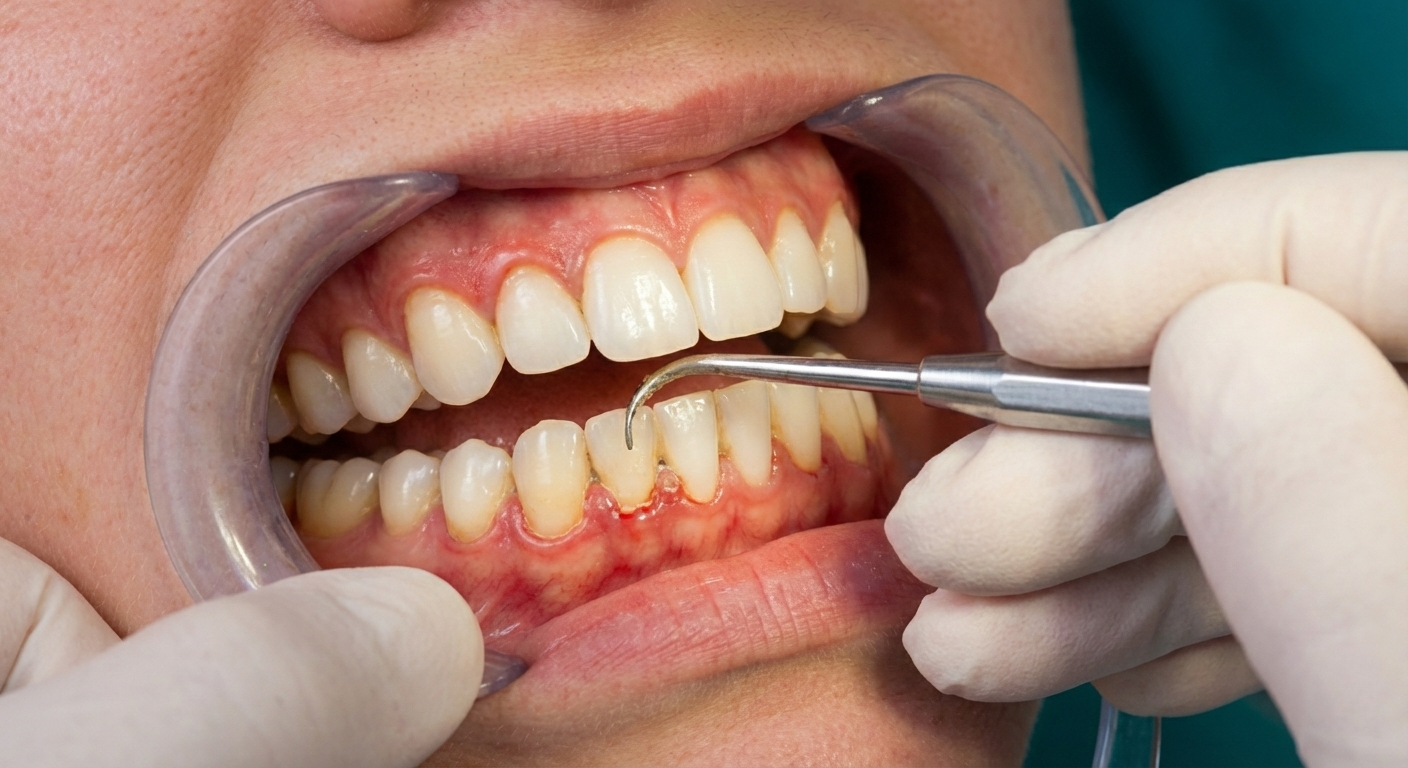
Gum disease — also known as periodontal disease — is a bacterial infection that affects the tissues supporting your teeth. It starts as gingivitis, a mild inflammation of the gums, and can progress to periodontitis, a more serious condition that damages the bone and connective tissue holding your teeth in place.
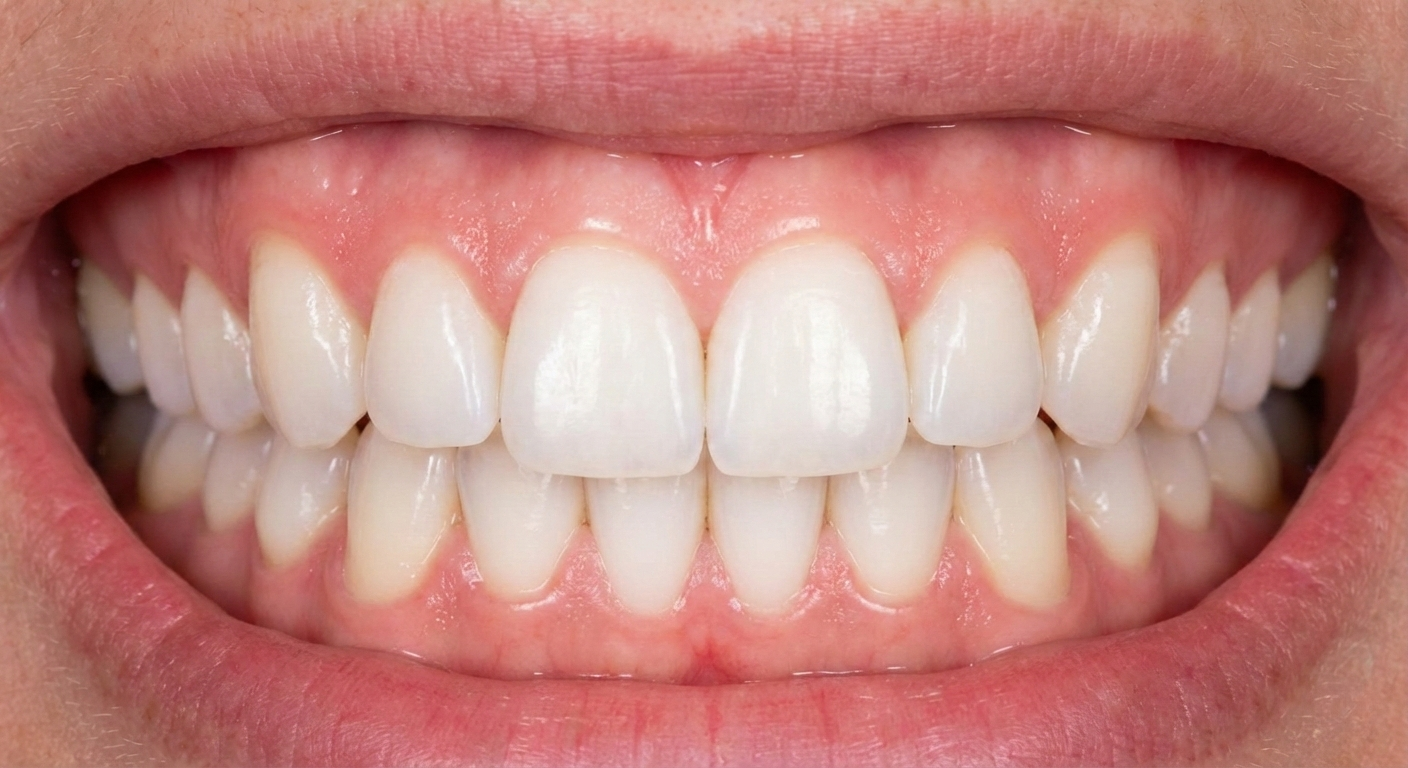
The tricky part? Gum disease is often painless in its early stages, which means many people don't seek treatment until significant damage has already occurred. Knowing the warning signs can make a big difference in how early and how easily the problem is treated.
Common Warning Signs
- Bleeding Gums: Gums that bleed when you brush or floss are one of the earliest signs of gingivitis. Healthy gums should not bleed with normal oral hygiene.
- Red, Swollen, or Tender Gums: Inflamed gum tissue is a sign that bacteria are irritating the area.
- Persistent Bad Breath: Chronic bad breath that doesn't improve with brushing may indicate bacterial buildup below the gumline.
- Receding Gums: If your teeth look longer than they used to, your gums may be pulling away from the tooth roots.
- Loose or Shifting Teeth: Advanced gum disease can destroy the bone that holds teeth in place, causing them to loosen or move.